

DELIVER VALUE TO THE WORLD
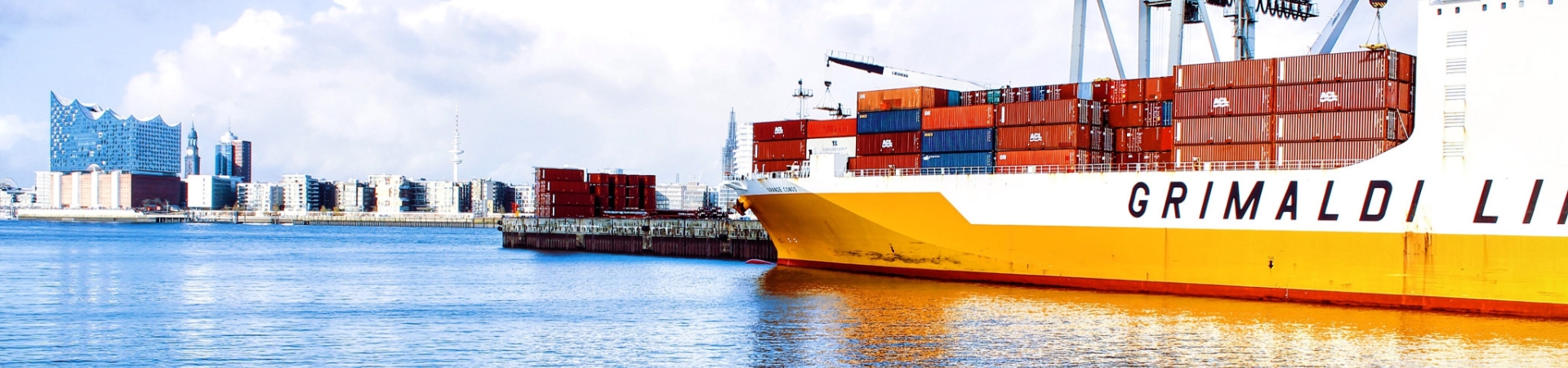
Ocean freight forwarder: evolution of end-to-end solutions from booking to booking
2025-09-18 22:56:09
Click:
“
The core competitiveness of traditional maritime freight forwarders lies in obta
”
The core competitiveness of traditional maritime freight forwarders lies in obtaining cabin space and optimizing costs, while leading enterprises are reconstructing service boundaries through the 'maritime+X' model. Taking domestic and foreign port freight forwarders as an example, their 'sea freight+overseas warehouse+final delivery' solution extends the transportation responsibility under traditional FOB terms to consumers:
Booking process: Through electronic data interchange (EDI) systems with 20 shipping companies, real-time cabin space queries are achieved 24/7. A furniture export enterprise has increased the success rate of peak season booking from 60% to 92%;
Transportation link: Develop a 'carbon emission calculator' to help customers choose low-carbon routes. For example, on the route from Ningbo to Los Angeles, it is recommended to use LNG powered ships, which can reduce single container carbon emissions by 28%;
Destination service: Build self operated overseas warehouses in hub ports such as Los Angeles and Rotterdam, providing 'unpacking and distribution+local delivery' services. A toy importer has compressed the clearance to delivery time from 7 days to 3 days through this solution.










CONTACT US
Address:
Room 603, Block A, Wisdom Valley Building, No. 2094, Shenyan Road, Yantian District,Shenzhen, 518081 P.R.C.
Phone:
0086-755-82636166
Email:
terry@surpasscs.com
Fax:
0086-755-82635699

Scanning attention
Copyright ©2025 Surpass logistics co., Ltd. All rights reserved
